What First-Time Buyers Need to Know Before Purchasing a Used Car
Buying a used car is an exciting step for first-time car buyers in Lewiston, but navigating the used car market can sometimes feel overwhelming. With so many vehicle options, financing choices, and important factors to consider, it’s essential to understand the buying process and avoid common mistakes before making your purchase. Understanding common used car buying mistakes, from skipping inspections to misjudging financing, is important to help you avoid surprises and get a quality used vehicle that fits your needs and budget.
What financing mistakes should first-time car buyers avoid?
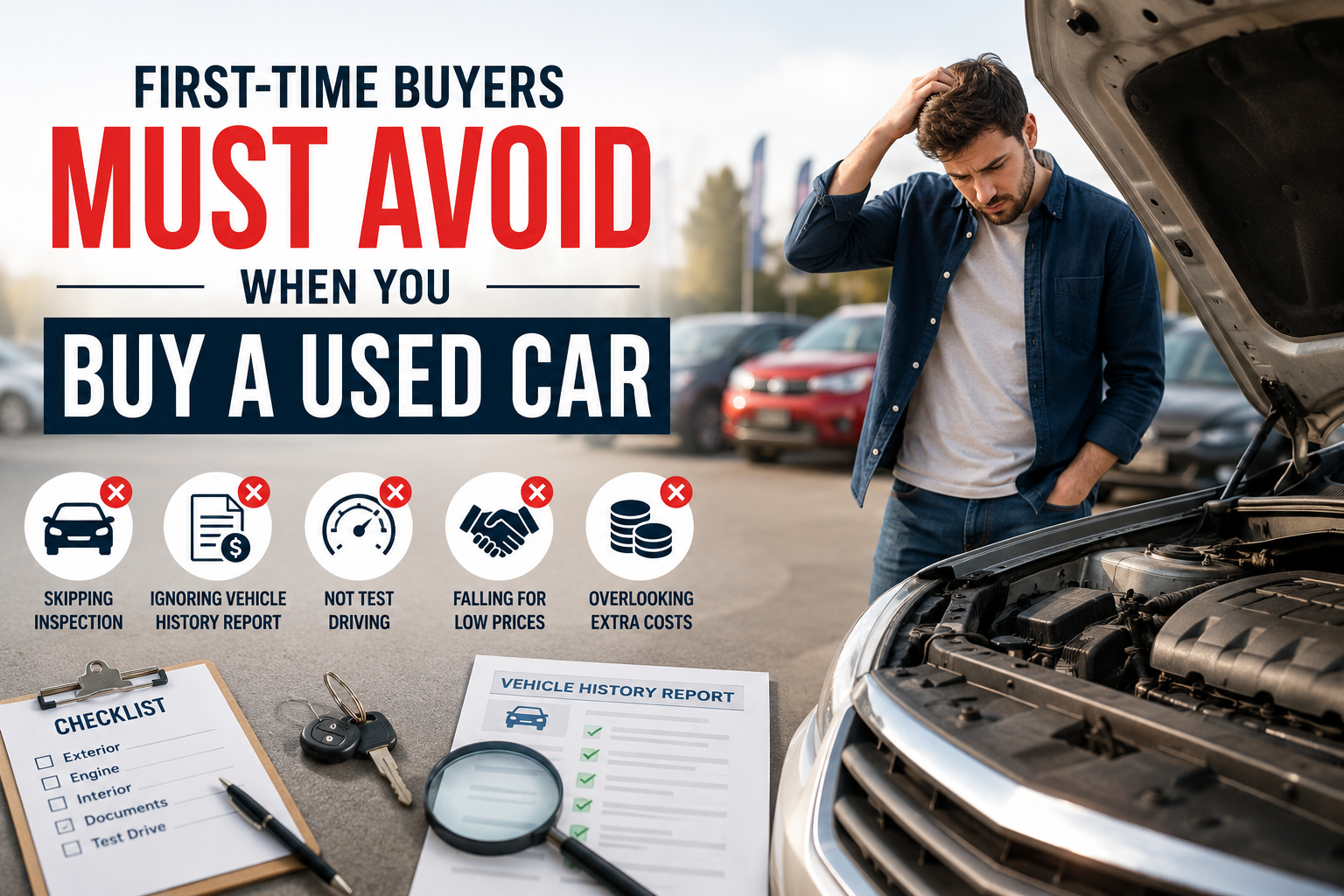
Many first-time buyers focus only on the monthly payment and overlook the full loan term, interest rate, and total cost of financing. Car buying mistakes to avoid include agreeing to a long loan term to lower monthly payment figures while paying far more in interest over time. Before you purchase a car, compare financing options from your bank, credit union, and the dealership to ensure you get the best loan term and rate for your budget.
Also watch for dealership financing traps that can increase the price of the car through high rates or add-on products you don’t need. Check the car loan details, the sticker price, and the loan calculator for the total cost. Getting pre-approved financing helps you negotiate from a stronger position when you visit a dealership and can prevent many of the common used car buying mistakes buyers make.
How should you approach a test drive to avoid common mistakes?
Test drive is not just a quick spin around the block — it’s a crucial part of the car-buying process. Many buyers make the common mistake of skipping a thorough test drive or not testing the car in real-world conditions. Drive the car on highways, hills, and through stop-and-go traffic to assess handling, braking, noise, and fuel efficiency. If a test drive reveals odd noises or handling issues, that could indicate a used vehicle with hidden problems.
Bring a checklist with items to evaluate during the test drive: responsiveness, comfort, visibility, electronics, and any warning lights. If possible, have a trusted mechanic perform a pre-purchase inspection to help you avoid surprises and ensure the car you love is actually the quality used car it appears to be.
Are you underestimating the impact of monthly payment focus?
Focusing solely on monthly payment is one of the biggest mistakes car buyers make. A low monthly payment can mask a long loan term, high interest, or a higher price of the car first. Don’t confuse affordability with a good deal; calculate the total amount you will pay over the loan term and consider if the purchase makes sense for your long-term finances. Consider additional car expenses like insurance, maintenance, and fuel efficiency when evaluating the monthly payment.
Use a simple budget that includes car insurance, registration, routine maintenance, and expected repairs for a used vehicle. This will help first-time buyers avoid surprises and pick a car that fits your overall cost of owning a car. Remember that the cheapest monthly payment doesn’t always mean the smartest buy a car decision for your situation.
How can first-time buyers avoid mistakes when buying a used car from a dealership?
Dealerships offer convenience and inventory, but buyers often make the mistake of trusting sales pitches without doing research. Before visiting dealerships, research the make and model you want, check Kelley Blue Book values, and set a price range. Quality used cars are available at many dealerships, but comparing prices across multiple dealerships helps you avoid overpaying and recognize fair offers.
Be prepared to negotiate. Car buyers make errors by accepting the sticker price or succumbing to pressure tactics. Bring documentation of market value, financing pre-approval, and a clear bottom-line price you’re willing to pay. If a dealership adds unnecessary fees or extended warranties that don’t fit your needs, be ready to decline or negotiate those items.
Which car-buying mistakes do first-time buyers make about vehicle history?
Not checking the vehicle history is a common used car buying mistake that can cost you dearly. A vehicle history report reveals past accidents, title issues, service records, and odometer discrepancies. Always request a CARFAX or equivalent report and verify the information during your inspection and test drive. Many buyers assume a clean exterior means the car is fine — big mistake.
Look for evidence of consistent maintenance and confirm past repairs were done properly. If the report shows major accidents, flood damage, or salvage titles, walk away. Buying a used car with undisclosed history can lead to expensive repairs and reduced resale value, so take the time to verify the used vehicle’s background before purchase.
Are you choosing the right make and model or making common mistakes?
Choosing the wrong make and model for your needs is one of the biggest mistakes when buying a used vehicle. First-time buyers often pick a dream car or a stylish model without considering fuel efficiency, maintenance costs, reliability, or how the car fits daily needs. Consider whether the type of car — sedan, SUV, or truck — fits your commute, family size, and cargo needs to avoid owning a car that doesn’t suit your lifestyle.
Research reliability ratings, parts availability, and typical maintenance costs for the make and model you prefer. Look for models known for longevity and lower repair costs if you’re buying used. This preparation will help you find a car that not only looks good but also keeps ownership expenses manageable over time.
What negotiation mistakes should buyers avoid when trying to buy a car?
Negotiation is a key stage where many buyers make mistakes, such as revealing their top price or discussing monthly payments instead of the total price. Always negotiate the purchase price of the used vehicle first, then handle trade-ins and financing separately. This prevents the dealership from manipulating figures to make the deal appear better while hiding higher costs elsewhere.
Bring evidence of market prices and be willing to walk away if the dealer won’t meet your terms. Use competitive offers from other dealerships or private sellers as leverage. Remember that negotiation includes not only the price of the car but also fees, warranties, and add-ons — accept only what you need and can afford.
How do inspection and warranty mistakes affect first-time car buyers?
Skipping a mechanic inspection or accepting a warranty without reading the fine print are common mistakes to avoid. A pre-purchase inspection by an independent mechanic can uncover mechanical or structural issues that a test drive might not reveal. Even if a dealership offers a warranty, check what is covered, deductibles, and the duration to ensure it aligns with the used vehicle’s condition.
If the dealership pushes a warranty as essential, compare it to what’s available from third-party providers. Understand exclusions and whether routine maintenance is required to keep the warranty valid. This protects you from unexpected repairs later and helps you avoid the regret that many buyers make when taking a car home with hidden problems.
Could your plan for trading in your car create buying pitfalls?
Many first-time buyers assume trading in your car at the dealership is always the easiest way to go, but it can be a negotiation pitfall. Dealers might offer less for your trade-in while making up the difference in the new purchase price. Get an appraisal of your trade-in value from independent sources and consider selling privately if you can get more money for your current vehicle.
Understand the impact of trade-in on taxes and monthly payments. Sometimes trading in your car lowers the immediate stamp of the price but raises the price of the new purchase. Compare offers and be transparent with dealers about competing offers to avoid sitting on a deal that looks good in monthly payment terms but isn’t the best overall bargain.
How do insurance and ownership cost mistakes affect first-time buyers?
Underestimating ongoing car expenses is a frequent mistake to avoid when buying a used car. Beyond the price of the car, first-time buyers should factor in car insurance, registration, maintenance, expected repairs, and fuel efficiency. A sporty model can carry higher insurance premiums, while older used vehicles might need more frequent repairs, driving up the cost of owning a car.
Get insurance quotes for the specific make and model before you purchase. Factor in anticipated maintenance and how long you plan to own the vehicle when considering reliability and parts costs. Understanding these costs upfront helps you choose a car that fits your long-term budget and avoids surprises that many used car buyers face.
What common mistakes do first-time buyers make in the used car market?
The used car market presents unique challenges: scams, misrepresented cars, and pressure sales. Common mistakes include ignoring market research, failing to verify the seller, and not understanding the vehicle’s market value. Use resources like Kelley Blue Book and local listings to compare prices so you can spot deals that are too good to be true or overpriced vehicles.
Be cautious with private sellers as well as dealerships. Verify the seller’s identity, ask for maintenance records, and meet in safe, public places. Trust your instincts — if something feels off about the deal or the car, walk away. Being informed and patient is one of the best ways to avoid common used car buying mistakes and secure a reliable pre-owned car that meets your needs.
How can first-time car buyers avoid making these mistakes and find the right used car?
Avoiding mistakes when buying a used car comes down to preparation: research, inspections, understanding financing, and negotiating wisely. Create a checklist that includes price range, desired make and model, financing options, and inspection steps. Use that checklist at dealerships and private sales to keep your priorities in focus and prevent impulse buys.
Work with trusted used car dealers and consider getting pre-approved financing to strengthen your negotiating position. If you’re in Lewiston, talk to local used car sellers and read reviews to find reputable dealerships. Take your time — buying a used car is a big purchase, and avoiding these mistakes will help you get a vehicle that fits your lifestyle, budget, and long-term goals.
What are the top signs you should walk away to avoid buyer’s remorse?
Recognizing red flags early prevents costly errors. Walk away if the seller pressures you to sign immediately, can’t provide a vehicle history report, or refuses an independent inspection. Other signs include inconsistent maintenance records, unexplained price drops, or sellers avoiding detailed questions about the car’s condition.
Also be wary if financing terms are unclear or if the dealer pushes add-ons that you didn’t ask for. If negotiating becomes confusing and you don’t feel comfortable, it’s okay to step back. Avoiding these situations helps first-time buyers avoid buyer’s remorse and find a car they genuinely like and can afford.
Conclusion: Key takeaways to avoid used car buying mistakes
- Research make and model, market values, and common repair costs before you buy a used car.
- Compare financing options and focus on total loan cost, not just monthly payment figures.
- Always do a thorough test drive and obtain an independent pre-purchase inspection.
- Check vehicle history reports and verify maintenance records to avoid hidden problems.
- Negotiate the purchase price first, then handle trade-ins and financing separately.
- Factor in insurance, fuel efficiency, and long-term ownership costs when choosing a car.
- Avoid pressure sales, unclear fees, and add-ons that don’t fit your needs.
- Use resources like Kelley Blue Book and get multiple dealer quotes to spot a fair deal.
Finding the right used car in Lewiston doesn’t have to be stressful if you avoid common used car buying mistakes and follow a clear plan. By researching, inspecting, and negotiating smartly, first-time car buyers can purchase a vehicle that fits their needs and budget. For local assistance, consider reputable options like Hells Canyon Auto Sales, a Used Car Dealer in Lewiston, ID, which can help you navigate car buying mistakes, work through financing options, and make a confident decision when you purchase a vehicle.
Auto Loan Tips for Bad Credit Buyers in Lewiston, ID: Secure a Car Loan with Bad Credit
Buying a used car with bad credit in Lewiston, Idaho, can feel overwhelming, but the right approach to auto financing and a clear plan can help you qualify for an auto loan and secure the vehicle you need. This guide offers practical, actionable auto loan tips for bad credit buyers in Lewiston, ID—covering credit score basics, lender options, monthly payment strategies, and how dealerships and credit unions can help you get a loan with bad credit. Whether you’re shopping for a used car or considering a new vehicle, these insights will help you find the best loan and improve your chances of approval.
How does a bad credit score affect your chances of getting a car loan in Lewiston?
A bad credit score is one of the primary factors lenders consider when deciding whether to approve an auto loan. Lenders use your credit history, credit utilization, and payment history to assess risk; a low credit score often leads to higher interest rate offers, stricter loan terms, or initial denials. In Idaho, local dealerships and credit unions can sometimes offer more flexible options than large national banks for buyers with poor credit.
Understanding how your credit history affects the loan amount and loan terms helps you plan. If your credit card loan options appear limited, focus on improving specific aspects of your credit report—such as lowering credit utilization and correcting errors on credit reports from all three bureaus—to increase your chances of getting approved and reducing the overall loan cost.
What steps can you take to improve your credit score before applying for auto financing in Idaho?
Improving your bad credit before applying for a car loan can directly lower the loan rate and monthly payment. Start by reviewing credit reports, disputing inaccuracies, and paying down high-interest balances to lower credit utilization. Even small credit improvements can change the offers you receive from lenders and finance centers in Lewiston.
Other practical actions include making on-time payments consistently, avoiding new hard inquiries right before applying for a loan, and, if possible, establishing a positive payment history on a small installment or secured credit line. These steps help prospective buyers find the best loan and demonstrate good standing to auto lenders and dealerships.
Should you get pre-approved for an auto loan in Lewiston before visiting dealerships?
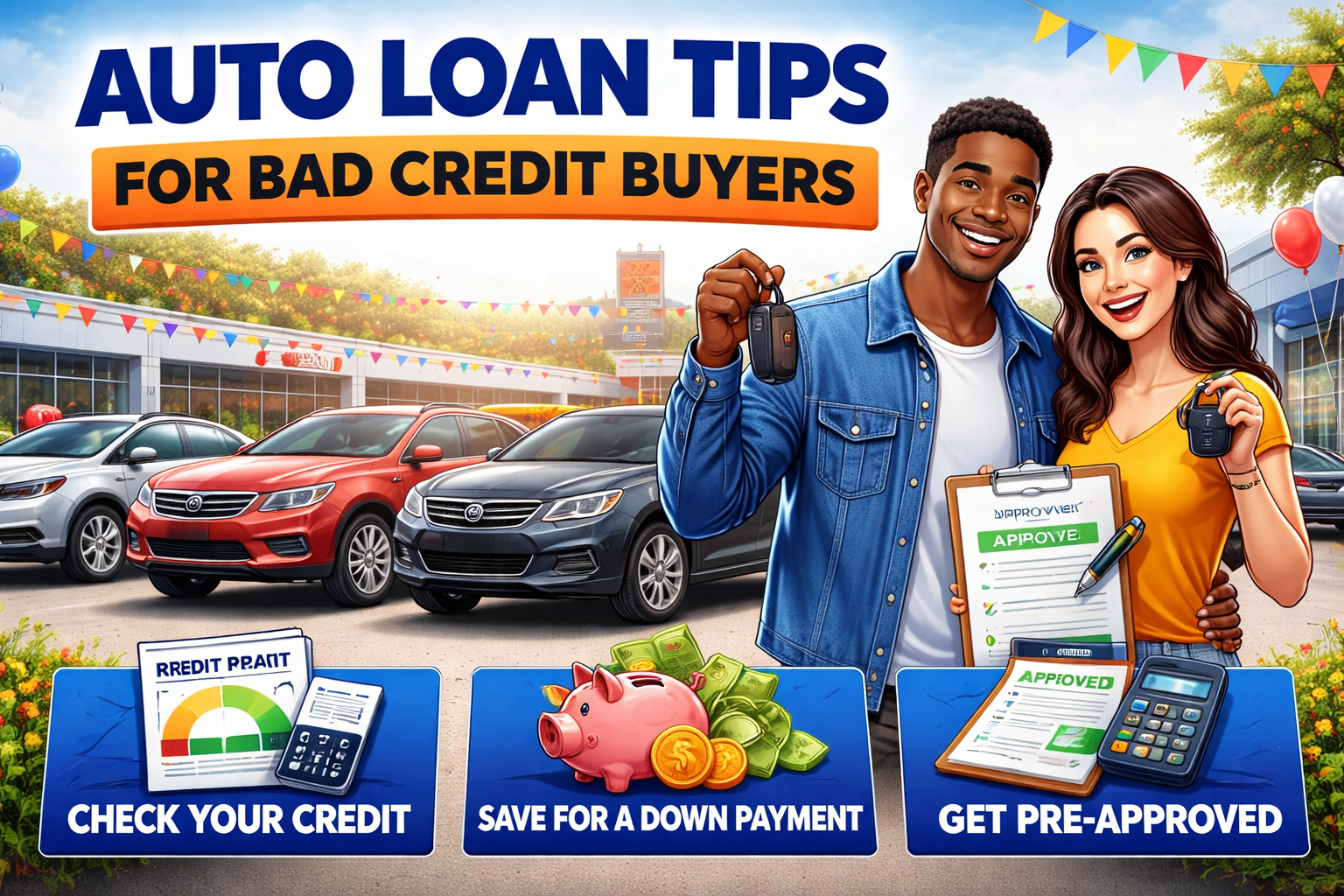
Getting pre-approved for an auto loan is a powerful strategy for buyers with bad credit. A pre-approval gives you a clear idea of the loan amount, term of the loan, and estimated interest rate from a bank, credit union, or online lender. This empowers you to negotiate the price and monthly payment when you visit a used car dealership in Lewiston and prevents dealers from steering you toward unfavorable in-house financing options.
Pre-approval also helps you compare offers from the dealership finance team and other lenders. If a dealership like Hells Canyon Auto Sales proposes financing, you can evaluate whether their used car financing or loan with bad credit is competitive compared to your pre-approved offer, helping you find the best car loan in Lewiston.
What types of lenders should bad credit buyers in Lewiston consider?
Bad credit buyers should compare multiple kinds of lenders: local credit unions, community banks, online lenders, and dealership finance centers. Credit unions in Idaho often offer more forgiving lending standards and lower interest rates to members than large institutions. Online lenders can provide competitive rates and quick decisions, while dealerships sometimes offer in-house financing or relationships with auto lenders that specialize in borrowers with lower credit scores.
When evaluating lenders, look beyond the headline interest rate. Compare loan terms, required down payment, fees, and whether the lender reports to the credit bureaus. Choose a lender who helps you get the loan you can afford and provides clear information on loan payment schedules and the term of the loan.
How much down payment should you aim for when buying a used car with bad credit?
A larger down payment reduces the loan amount and improves your chances of approval for buyers with bad credit. Try to save at least 10–20% of the purchase price for a down payment. This lowers the lender’s risk, may secure a better interest rate, and reduces the chance you’ll owe more than the car is worth—especially important for used vehicles in Idaho.
If a larger down payment isn’t possible, consider a co-signer with good credit, which can help you qualify for better loan terms. However, be aware that a co-signer is equally responsible for the loan; they should understand the obligations before agreeing. Discuss down payment and loan options with both banks and dealership finance teams to find the best path forward.
How can you find the best used car and avoid costly financing mistakes?
To find the best used car while managing auto financing, research vehicle models known for reliability and low maintenance costs. Compare prices across local Lewiston dealerships and private sellers, and use online tools like a loan calculator to estimate monthly payment scenarios based on different loan amounts and interest rates. This helps you avoid overextending on a loan you can’t afford.
When negotiating at the dealership, separate the vehicle price from the financing discussion. Dealers may push for longer loan terms to lower monthly payments, but longer terms often increase the total interest paid. Ask for a breakdown of loan terms, interest rate, and monthly payment so you can compare offers fairly and find the loan with bad credit that fits your budget.
What should you know about interest rates and loan terms for buyers with bad credit?
Interest rates for buyers with bad credit are typically higher due to greater lender risk. Know that the loan rate dramatically affects how much you pay over time. Shop around to compare interest rates from different lenders, and use the loan term strategically: shorter terms usually mean higher monthly payments but lower total interest paid, while longer terms reduce monthly payments but increase total cost.
Pay attention to fees, prepayment penalties, and whether the loan could adjust over time. Ask lenders about options to refinance later if your credit improves. Refinancing can reduce the interest rate and monthly payment—helpful for those focused on improving their credit after securing the car financing.
How can you leverage a dealership’s finance center or local credit union for bad credit car loans?
Dealership finance centers often maintain relationships with multiple auto lenders and can submit your application to several partners, increasing your chances of approval for a loan with bad credit. Ask the finance team for transparent offers, and request to see multiple financing scenarios. Remember to compare dealership offers against pre-approved loans from banks and credit unions.
Local credit unions in Lewiston may offer member-friendly terms and an emphasis on helping borrowers build their credit. If you qualify for membership, a credit union could help you secure competitive rates or more flexible loan terms. Discuss the loan amount, term of the loan, and payment schedule with both options to see which better helps you get approved and manage monthly payments.
What documents and information do you need when applying for auto financing in Lewiston?
Prepare documentation to speed up the approval process: proof of income (pay stubs or tax returns), proof of residence, a valid ID, proof of insurance, and recent bank statements. Lenders will also request details about the vehicle—VIN, mileage, and sale price—if you’re close to purchase. Having these ready shows lenders you’re organized and serious about the loan application.
If you have a co-signer, they’ll need to provide similar documentation. For buyers with bad credit, adding documentation that explains past credit issues (like medical bills or temporary job loss) can sometimes help lenders understand your situation and consider you more favorably for auto financing.
How can you rebuild credit after securing an auto loan with bad credit?
An auto loan can be an effective tool to build your credit if managed responsibly. Make every monthly payment on time, keep communication open with your lender, and avoid missing payments. Timely payments reported to credit bureaus improve your payment history and can boost your credit score over time.
Other credit-building strategies include maintaining low credit utilization on revolving accounts, avoiding new high-interest debt, and checking your credit reports regularly for errors. After 6–12 months of consistent payments, you may qualify for refinancing at better rates, reducing your monthly payment and long-term interest costs.
What are common pitfalls bad-credit buyers should avoid when financing a used car in Lewiston?
Avoid “buy-here-pay-here” dealerships without researching their loan terms—these can carry very high interest rates and aggressive repossession terms. Do not accept the first financing offer without comparing rates, loan terms, and monthly payments from multiple lenders. Be cautious of loan amounts that stretch your budget; even a lower monthly payment with a long term can cost much more in interest.
Also, avoid failing to read the fine print. Understand whether the loan includes gap insurance, extended warranties, or add-ons that increase the loan amount. If you’re unsure, ask the dealership finance team to explain each charge and how it affects the loan payment and total cost.
How can you use online tools and local resources in Lewiston to find the best car loan for bad credit?
Use online rate comparison tools and loan calculators to model different scenarios for loan amount, interest rate, and term. These tools highlight how a small difference in interest rate affects your monthly payment and total loan cost. Local resources—like credit counseling agencies and Lewiston credit unions—can also provide guidance specific to Idaho rules and financing options.
Attend local car-buying workshops or contact reputable used car dealerships with transparent finance teams to learn about available programs for bad-credit buyers. A dealership with a good reputation can help you find the right used vehicle and connect you with multiple lenders to secure an auto loan aligned with your budget.
Summary: Key takeaways for bad credit buyers seeking an auto loan in Lewiston, ID
- Check and improve your credit score before applying: dispute errors, lower utilization, and establish on-time payments.
- Get pre-approved to strengthen negotiating power and compare dealer offers to pre-approved terms.
- Consider multiple lenders—credit unions, banks, online lenders, and dealership finance centers—to find the best auto financing.
- Save for a meaningful down payment or use a co-signer to reduce interest rates and improve approval chances.
- Understand interest rates, loan terms, fees, and the total cost to avoid expensive long-term financing traps.
- Prepare documentation in advance to streamline the application process and demonstrate to lenders that you’re a reliable borrower.
- Use an auto loan responsibly to build credit: make on-time payments and consider refinancing when your credit improves.
Finding a reliable used car and securing a loan with bad credit in Lewiston is possible with research, preparation, and smart choices. Local dealerships and finance centers can help you get auto financing even with a bad credit score, and institutions like credit unions may offer more favorable terms. For buyers looking to qualify for an auto loan, consider visiting trusted local sellers. Hells Canyon Auto Sales, a Used Car Dealer in Lewiston, ID, is one example of a dealership that works with bad-credit buyers to arrange used-car financing and help you get the car loan you need. Whether you’re focused on a car loan Lewiston option, improving your credit history, or finding a loan with bad credit, use the strategies above to find the best automotive financing and secure a loan that fits your budget.